
English| EUR
Suggested for you
More currencies
Choose a language
Linda Mar Beach in Pacifica delivers one of the Bay Area's most forgiving surf breaks, but timing matters. This guide walks you through tide cycles, swell direction, wind patterns, and seasonal weather so you know what to expect when you paddle out.
Quick answer
Pacifica surf conditions are best during low to mid tide with a clean west or northwest swell, typically in early morning before onshore winds pick up around 10:00. The beach is most consistent from September through April when winter swells arrive, though summer offers smaller, gentler waves suited to beginners. Wind direction shifts from calm offshore mornings to afternoon sea breeze, and tide swings of six to eight feet can reshape the sandbars hourly.
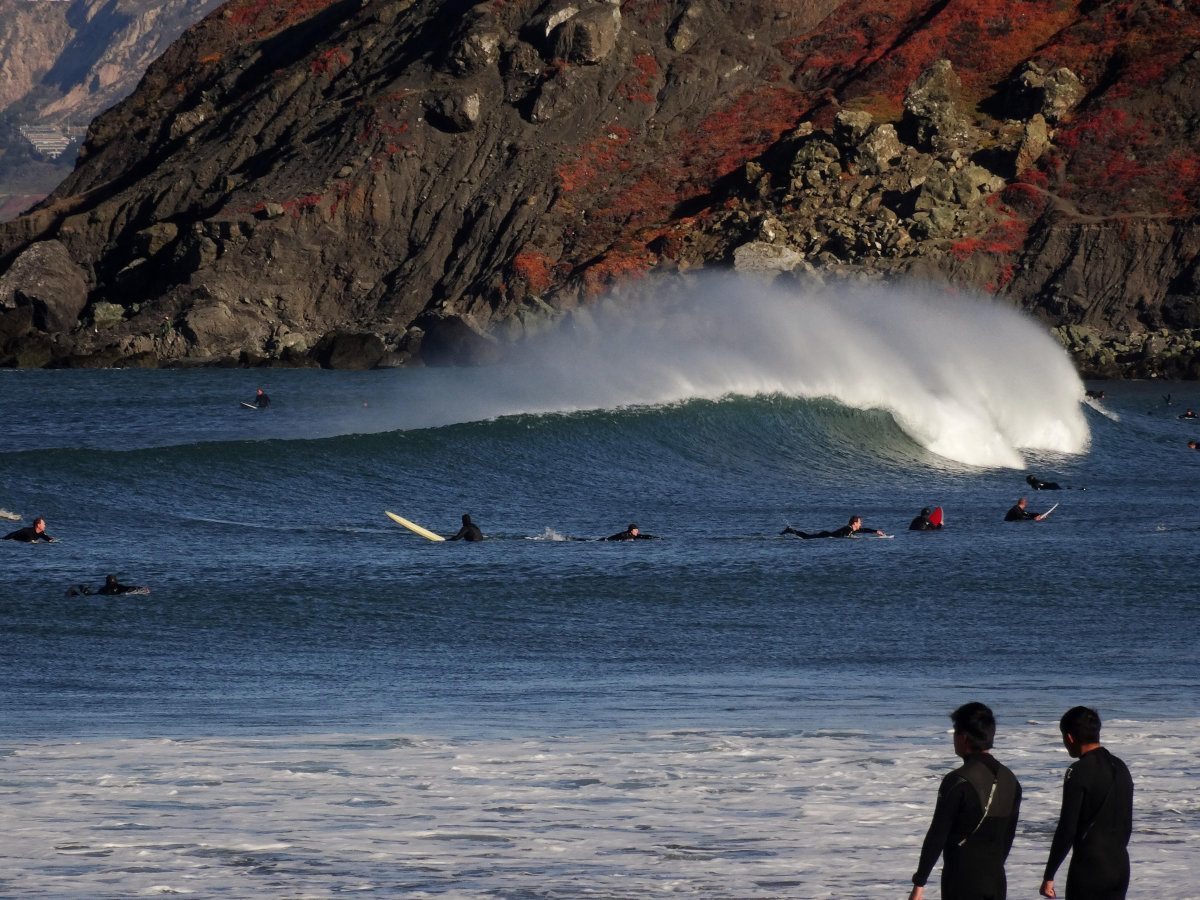
Linda Mar Beach sits in a south-facing cove that captures northwest swells wrapping around Point San Pedro, turning raw Pacific energy into rideable, forgiving waves. The sandy bottom shifts with every storm cycle, building and erasing sandbars that define where waves break cleanest. Because the break depends on tide and sandbar configuration rather than fixed reef structure, pacifica surf conditions change noticeably within a single session. Tide movement controls wave shape more than swell size here. At high tide, waves often close out across the beach in a single white-water surge. As the tide drops toward mid or low, distinct peaks form where sandbars focus the swell energy, creating longer rides and cleaner shoulders. A six-foot tide swing means the break you paddled out on at 07:00 will look entirely different by 10:00. Most instructors schedule lessons around the outgoing tide window between mid and low, when wave faces are softest and the inside section stays manageable for students still learning to stand. Wind defines whether you get glass or chop. Mornings before 09:00 typically offer light offshore or calm conditions, holding the wave face smooth. By late morning the onshore sea breeze arrives, adding texture to the water and making paddling harder. In fall and winter, occasional offshore winds from the east can hold all day, creating the clean conditions experienced surfers wait for. Swell direction matters less than consistency: a steady four-foot west swell at 14 seconds will deliver better waves than a choppy six-foot mix from multiple directions. Fog blankets the beach most summer mornings, burning off by midday. Water temperature hovers near 52°F in winter and climbs to 58°F by September, cold enough to require a full wetsuit year-round. Winter storms bring the largest swells but also rain and strong currents; summer offers smaller, mushier waves under gray skies. The shoulder seasons of spring and fall balance rideable swell, moderate crowds, and stable weather, making them ideal for students building confidence. Check the live buoy data and tide chart the night before your session so you arrive during the two-hour window when conditions align.
“A six-foot tide swing means the break you paddled out on at 07:00 will look entirely different by 10:00.”
The best arrival window is 06:00–10:00, as mornings offer cleaner winds and fewer crowds before the afternoon onshore breeze. Planning your session during these hours allows students to take advantage of consistent swells and favorable tidal movements.
55–65°F, frequent coastal fog
Longer days provide more daylight for lessons despite frequent morning fog.
60–70°F, often clear skies
Warmer water temperatures and consistent swells make this a favorable time for skill development.
—
Reduced lineup density allows for better wave selection and personalized instruction.
50–55°F, larger swell energy
Increased wave height requires higher skill levels and awareness of shifting tidal conditions.
Verdict: Weekday mornings, particularly in September and October, provide the most consistent conditions for students.
The site is open daily for access to support your surfing schedule and lesson planning. Please note these operational hours when coordinating your session arrival.
Access costs for the surfing area are determined by the duration of your vehicle parking. Fees are managed through a standard daily rate structure based on the length of your stay.
Verdict: A typical visitor pays either 7 USD or 9 USD depending on whether their surf session exceeds the 4-hour threshold.
The primary access point for Pacifica surf conditions is located at 5000 Pacific Coast Hwy, Pacifica, CA 94044. Travelers typically reach this location via Highway 1, which runs directly along the coast.
Highway 1 South to Pacifica
SamTrans Route 17 to Pacific Coast Hwy & Oceana Blvd
To ensure you reach your lesson on time, aim to arrive between 06:00 and 10:00. This window helps you avoid afternoon onshore breezes and secures parking before the beach becomes crowded.
Prepare for cold water and changing conditions with the right gear and local knowledge.
Everything you need to know about pacifica surf conditions
The pacifica surf conditions vary daily based on swell direction and wind patterns, so checking a reliable marine forecast is essential for your session. Monitoring buoy data helps you understand the energy arriving at the coast before you paddle out.
Tidal movement significantly alters wave shape and depth at this beach, often impacting where the break forms. It is helpful to study tide charts to understand how low or high tide windows align with your skill level.
The best arrival window is 06:00–10:00, as mornings offer cleaner winds and fewer crowds before the afternoon onshore breeze. Planning your arrival during this time helps you avoid the most challenging wind conditions for surf lessons.
Local hazards may include rip currents and changing sandbars that shift throughout the season. Prioritizing ocean awareness and staying within your ability level ensures a safer experience in the water.
Coastal fog and marine layer temperatures can change rapidly, affecting visibility and water warmth during your pacifica surf sessions. Dressing in appropriate neoprene gear is recommended to maintain body heat during your lesson.
The daily parking fee is 9 USD for stays longer than four hours, or 7 USD for stays under four hours. Ensure you have the correct payment ready for the parking kiosks upon arrival.
Pacifica offers a variety of wave profiles suitable for different skill levels, though understanding pacifica surf conditions is vital for beginners. Our instructors focus on identifying manageable waves to build your confidence and technique in the whitewater.